
The Difference Between a Vendor and a Production Partner
A vendor may provide equipment. A true production partner helps protect the flow, confidence, and execution of the entire event from planning through show day.
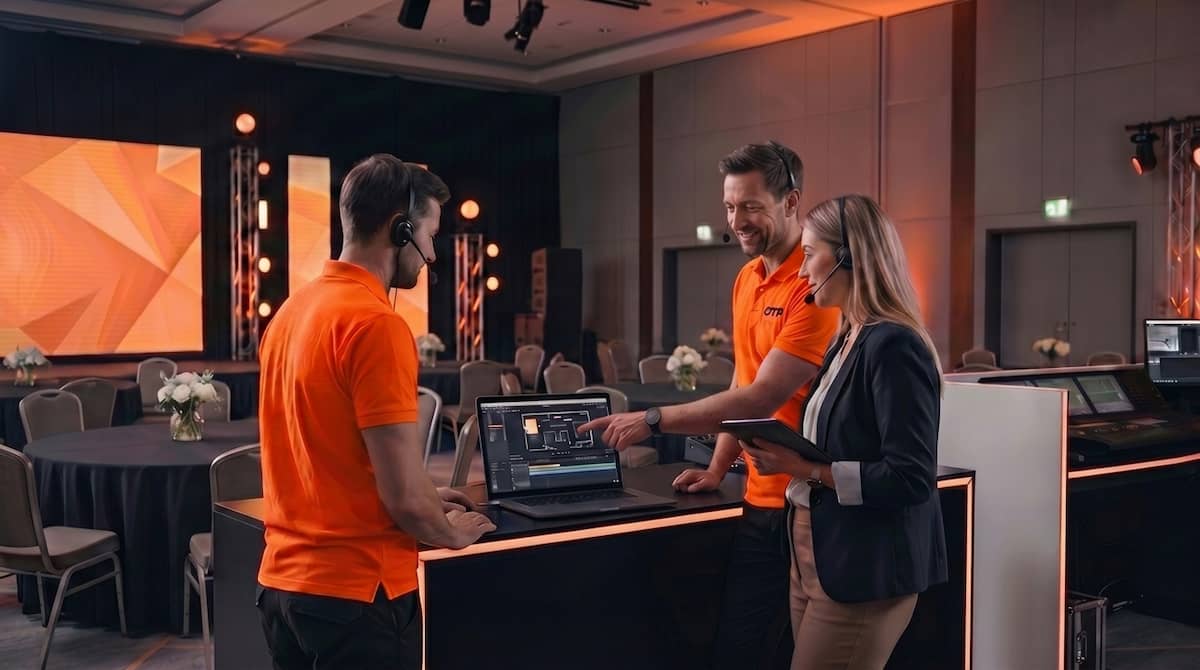
In corporate events, the difference between a vendor and a production partner can shape the entire experience.
A vendor may show up with equipment. A production partner shows up with awareness.
They understand the room, the schedule, the presenters, the audience, the brand, and the pressure sitting on the planning team. They are not just there to plug in gear. They are there to help the event move with confidence from planning through final cue.
That distinction matters.
Because when the doors open and the room fills, the event planner does not need another order taker. They need a team that sees what is coming, communicates clearly, and helps keep the show under control.
A Vendor Provides a Service. A Partner Protects the Experience.
There is nothing wrong with vendors. Every event needs dependable services, equipment, and crew. But a vendor relationship is often transactional.
You request a package.
They provide the package.
The job is measured by whether the requested items arrived.
A production partner operates differently.
They look beyond the equipment list and ask how the event is supposed to feel, how the audience should experience it, and what could disrupt the flow. They think about the presenter walking onstage, the transition between sessions, the timing of the video playback, the visibility of the screens, and the pressure on the planning team when something changes.
That broader awareness is where real event support begins.
A Partner Asks Better Questions Early
Strong production starts before load-in.
A production partner wants to understand the event before recommending the technical setup. That means asking questions like:
- What is the purpose of the event?
- Who are the key presenters?
- What moments matter most?
- Are there sponsor obligations or executive priorities?
- Will there be live, hybrid, or recorded components?
- Are there last-minute content risks?
- What does the planning team need to feel confident?
These questions help shape the right technical plan. They also uncover risks before they become show-day problems.
That is especially important for corporate events where the room may look simple on paper, but the expectations are high. A ballroom general session, leadership summit, product launch, awards dinner, or hybrid meeting can all require different levels of support.
The earlier the production team understands the event, the better they can help protect it.
A Partner Thinks Beyond Gear
Equipment matters. But equipment alone does not produce a polished event.
A projector does not manage a transition.
A microphone does not calm a nervous speaker.
A camera does not know when the CEO is about to change direction.
A playback machine does not decide how to recover from a late slide update.
People do that.
The right production partner connects the technical tools to the actual event experience. They make sure the setup supports the room, the speakers, the schedule, and the audience.
That is one reason full live event production is different from simply renting equipment. The gear is only one part of the system. The real value is in how the crew plans, communicates, adapts, and executes.
A Partner Supports the Planning Team
Event planners carry a lot. They manage stakeholders, schedules, venues, budgets, speakers, sponsors, catering, registration, branding, and a long list of details that most attendees never see.
A true production partner helps remove technical uncertainty from that list.
That means explaining options clearly, flagging risks early, and helping the planning team understand what is needed without burying them in technical language. It also means being honest when a setup is underpowered, a schedule is too tight, or a show element needs more preparation.
The goal is not to complicate the process. The goal is to give the planner more control.
When the production team communicates well, the planner can make better decisions. When decisions are made earlier, the show has fewer surprises.
A Partner Cares About Presenter Confidence
A vendor may check whether the microphone works. A partner checks whether the presenter feels ready to use it.
That difference matters.
Presenters are often the most visible part of a corporate event. They represent leadership, sales, training, brand messaging, or executive communication. If they feel unsupported, that stress can show up onstage.
A production partner helps reduce that friction through slide checks, microphone prep, clicker testing, confidence monitor support, stage orientation, and calm backstage communication. We covered this in more detail in How to Keep Presenters Comfortable Before They Walk Onstage, but the principle is simple: when presenters feel supported, the whole event feels stronger.
The audience may never see that preparation. They feel the result.
A Partner Watches the Whole Show
During a live event, every department affects the next.
Audio affects presenter confidence.
Lighting affects how the stage feels.
Video affects audience attention.
Playback affects timing.
Cameras affect what the room and remote viewers experience.
Comms affect how quickly the crew can respond.
A production partner watches those pieces as one connected system.
That is what helps a show feel smooth. Not because nothing changes, but because the team understands how one adjustment affects everything else. If a speaker runs long, the next cue may need to shift. If a video changes, the timing may need to adjust. If a presenter skips ahead, cameras and screens need to respond.
This is where show awareness matters more than equipment alone.
A Partner Handles Change Without Making It the Planner’s Problem
Live events change. That is not a flaw in the plan. It is part of the environment.
Speakers move. Slides update. Timelines compress. Executive decisions shift. A session that was locked yesterday may need to change ten minutes before it begins.
A vendor may wait for instructions.
A production partner helps create the path forward.
They know how to absorb changes without creating visible disruption. They communicate with the right people, adjust the technical flow, and keep the planner informed without adding unnecessary panic. That kind of support is especially valuable when the event is already moving and there is no time for confusion.
For a deeper look at that process, see Handling Last-Minute Production Changes.
A Partner Protects the Brand in the Room
Corporate events are not just gatherings. They are brand moments.
The lighting, sound, visuals, timing, speaker support, screen content, and overall polish all influence how the audience feels about the organization. When the production feels sharp, the brand feels prepared. When the production feels disjointed, the message loses impact.
A production partner understands that technical execution is part of brand perception.
That means caring about details like clean transitions, readable screens, balanced audio, intentional lighting, polished camera shots, and a room that feels controlled. It also means recognizing when a simple technical choice can make the event feel more premium.
This is one of the biggest reasons companies move beyond basic AV support. As discussed in Corporate Event Production vs. Hotel AV, convenience is not always the same as control.
A Partner Helps the Event Live Beyond the Room
A strong production partner also understands what happens after the audience leaves.
Many corporate events can become valuable content: recap videos, executive clips, sponsor reels, social media assets, internal communications, training materials, or post-event marketing. But that only works well when capture is planned before show day.
If content matters, camera placement, lighting, audio capture, speaker positioning, and recording workflows all need to be considered early.
That is where video production connects directly with live event strategy. The event is not just something to execute. It can become a library of brand assets when it is captured with intention.
The Right Partner Makes the Event Feel Easier
The best production support often feels calm.
Not because the work is simple, but because the process is controlled.
A strong production partner helps the planning team feel less alone. They bring technical clarity, show awareness, and steady communication to an environment where timing matters and pressure is real.
They do not just ask, “What equipment do you need?”
They ask, “What does this event need to accomplish, and how can we help make that happen?”
That is the difference.
At Outta Time Productions, we approach production as a partnership. From live events to hybrid events and video production, our role is to support the show, the people behind it, and the message it needs to deliver.
If you are planning an event and want more than a vendor list, contact our team.
A vendor fills a request. A production partner helps carry the weight of the show before the first cue is ever called.